12 Weeks to Build Sustainable Nutrition Habits Nourish for Life is a 12-week, one-on-one nutrition…
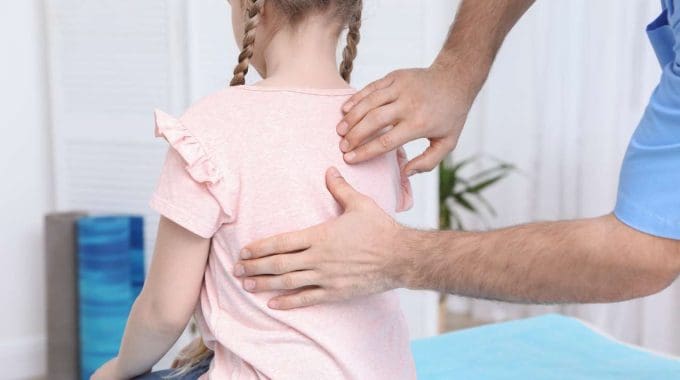
The Basics of Scoliosis and How to Manage It for a Pain-Free Life
Scoliosis is a common condition describing a lateral, three-dimensional curvature of the spine. It is formally diagnosed with a side curvature 10 degrees or greater measured on X ray. Scoliosis may or may not be symptomatic. While pain is less common in juveniles and adolescents, pain is quite prevalent as an adult.
What are the causes of scoliosis?
Scoliosis is defined as an abnormal curvature of the spine, which often appears during growth spurts just before puberty. Although it’s more commonly seen in adolescents, adults can also develop scoliosis due to degenerative changes in the spine or other underlying conditions. There are several types of scoliosis, but idiopathic scoliosis accounts for about 80% of cases with no known cause. Other forms may result from neuromuscular diseases like cerebral palsy or muscular dystrophy, congenital spinal deformities present at birth, or trauma-related injuries.
What are the symptoms?
The symptoms of scoliosis can vary widely depending on severity of the curve, area of the spine causing the symptoms and one’ s activity or behavior. Common signs include uneven shoulders or waistline, one hip higher than the other, and back pain. In severe cases, it can lead to respiratory issues due to reduced chest space. Secondary effects may include temporomandibular joint dysfunction, headaches and shoulder or hip dysfunction. Diagnosis typically involves a physical examination and imaging tests such as X-rays or MRIs to assess the curve’s degree and potential impact on surrounding structures.
How do you treat scoliosis?
When it comes to treating scoliosis, there isn’t a one-size-fits-all approach; treatment plans are tailored based on age, severity of curvature, and overall health status. Comprehensive treatment includes behavioral, structural and exercise components. For mild cases that don’t progress significantly over time, regular monitoring through periodic check-ups might be all that’s needed. Moderate curves may require bracing during adolescence while bones are still growing—an intervention aimed at preventing further progression without necessarily correcting existing curvature.
For individuals experiencing significant discomfort or functional limitations due to severe curvatures exceeding 45º—or when conservative management fails—surgery might become necessary. Surgical options such as spinal fusion aim at realigning vertebrae using rods or screws attached along affected segments; however these procedures carry inherent risks requiring careful consideration alongside healthcare providers experienced in spinal deformities.
How does physical therapy help?
Physical therapy is a crucial component in the management of spinal deformities, both before and after surgical interventions. It plays a vital role in addressing spinal mobility, muscle/ strength imbalances, and behavior to reduce gravitational influences on progression and alleviate associated pain. . Through therapeutic exercises, specifically designed to target the muscles surrounding misaligned regions, physical therapy aims to strengthen the core muscles supporting the lumbar region. This, in turn, helps distribute forces acting upon the vertebral bodies, reducing strain and promoting overall spinal health. Whether conservative management or surgical intervention is pursued, physical therapy remains an essential part of the comprehensive treatment plan, working alongside healthcare providers experienced in spinal deformities to optimize patient outcomes.
Living with scoliosis does not condemn individuals to a lifetime of chronic discomfort. On the contrary, taking proactive measures today can yield lasting benefits for tomorrow. By understanding the root causes of scoliosis and identifying appropriate treatments, including personalized exercise regimens taught within supervised therapeutic settings, individuals can successfully alleviate accompanying symptoms and regain control over their own destinies. These interventions not only alleviate pain but also improve posture stability, slow down disease progression, and empower individuals to lead healthier and happier lives. With the right support and proactive approach, the future holds brighter prospects for those living with scoliosis, allowing them to thrive and embrace the journey toward a pain-free and fulfilling life.
Schedule a consultation with one of our physical therapists today to get started on your journey to being pain-free!
More Posts